INSPIRATION & ORIGINS
An exploration of observation, symbolic thought, design, and the visual traditions that inform the evolving LUX Archive.
ON INSPIRATION AND ORIGIN
The glyphs within the LUX Archive are original contemporary creations.
They are not reproductions, copies, adaptations, or documented interpretations of ancestral rock art, archaeological symbols, sacred signs, or historical writing systems.
LUX draws inspiration from humanity’s enduring relationship with mark-making, geometry, material, landscape, architecture, and symbolic expression.
Ancestral rock art and other historical forms of visual culture are approached as sources of observation, study, and artistic reflection—not as designs to be reproduced, appropriated, or claimed.
These visual traditions form part of humanity’s cultural memory and are approached by LUX with respect for their historical, cultural, and ancestral significance.
AVENUES OF INSPIRATION
The creative process of LUX begins before drawing. It begins with encounters.
-Places visited.
-Landscapes observed.
-Surfaces marked by time.
-Architecture, objects, fragments, and visual traces encountered through direct experience.
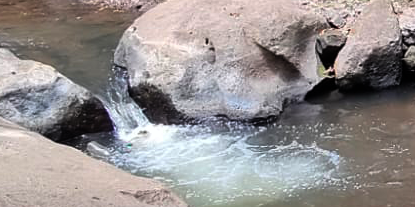
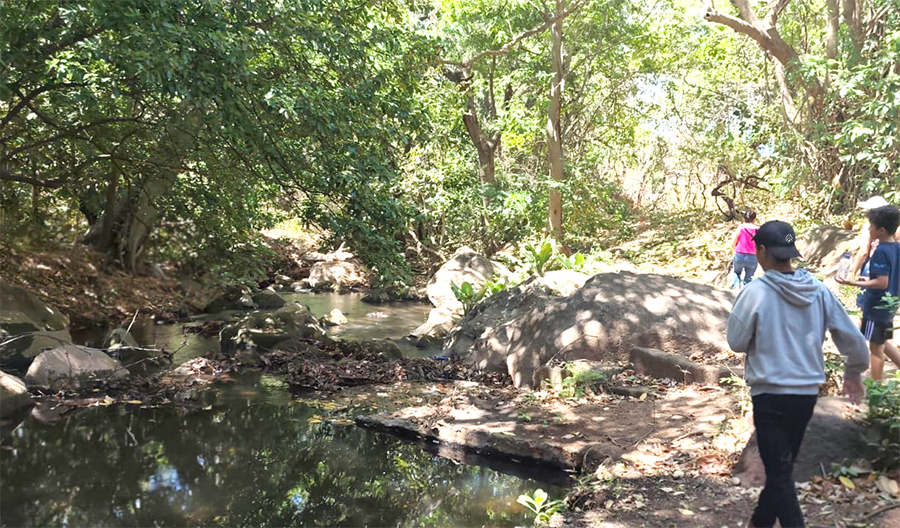
It continues through reading and study. Ancient art, mythology, symbolic traditions, philosophy, psychology, esoteric literature, visual culture,
and the history of design open different avenues for questioning how human beings have created, used, and interpreted symbols across time.
These fields are approached as territories of inquiry rather than catalogs of forms to reproduce:
-A passage encountered in a book may raise a question.
-A structure observed in architecture may suggest a relationship between balance and tension.
-A weathered surface may reveal unexpected rhythms, fractures, or geometries.
-An ancient artifact may provoke reflection on humanity’s enduring impulse to leave marks and create meaning.
-A philosophical, psychological, or esoteric text may introduce ideas that remain present during the creative process without being literally illustrated or assigned to a glyph.
Not every encounter becomes a design.
Some remain as notes, photographs, sketches, questions, or fragments within an evolving visual memory.
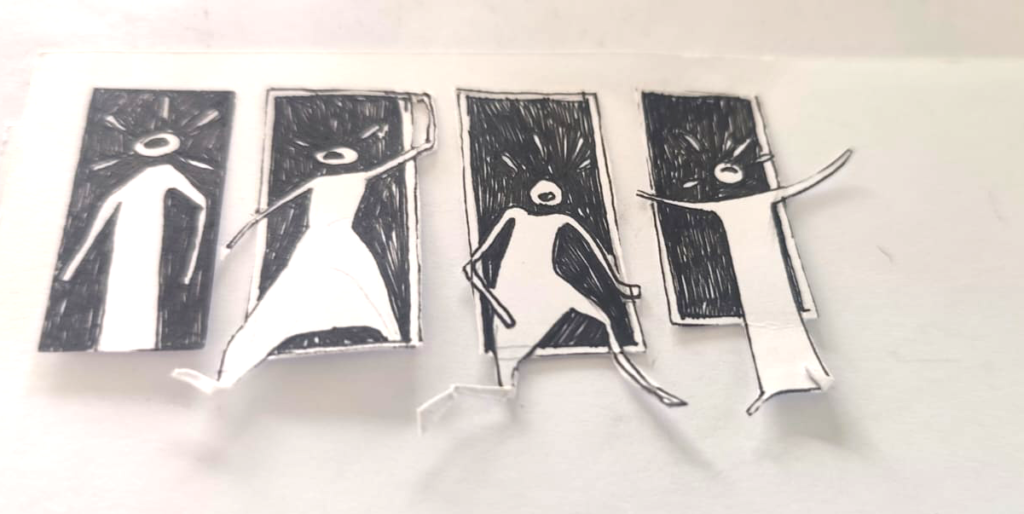
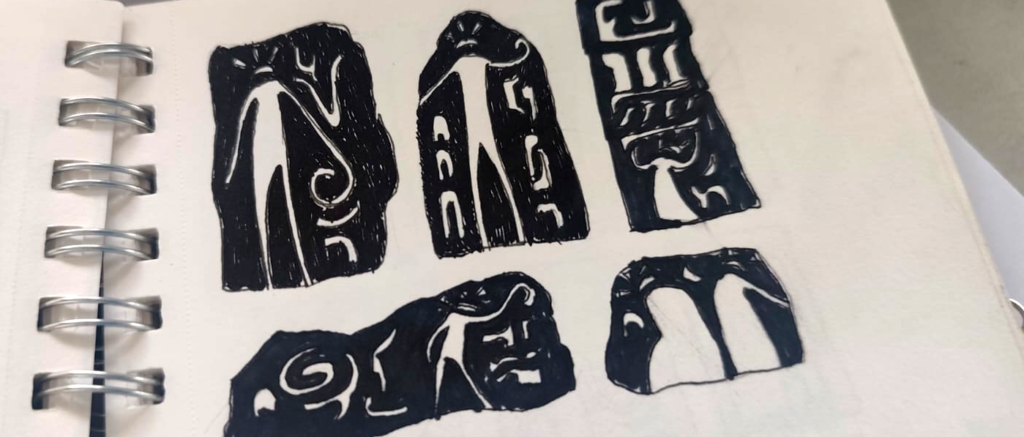
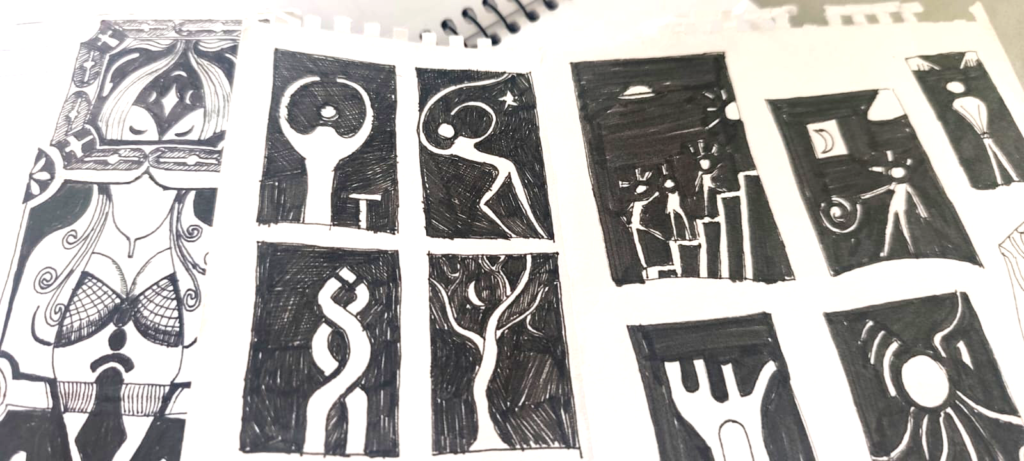
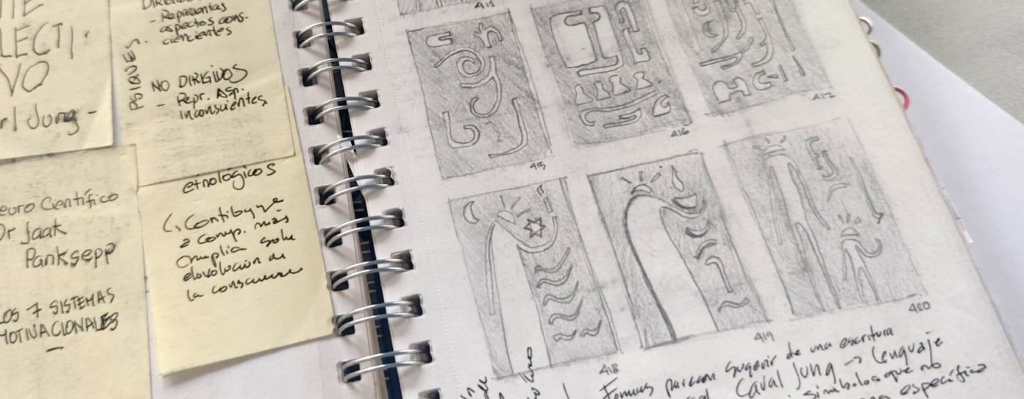
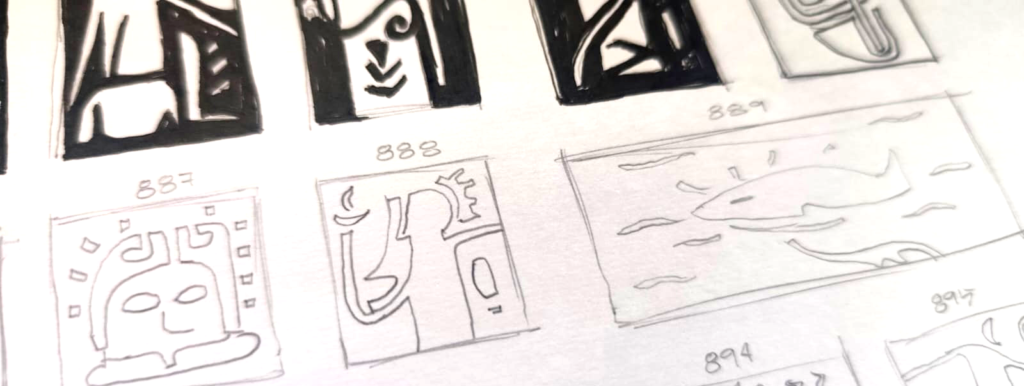
Over time, these observations and ideas intersect.
Research meets intuition.
Memory meets form.
The visible meets the imagined.
From these intersections, new questions emerge.
And sometimes, the first traces of a glyph begin to appear.